-
Who This Checklist Is For
-
Step 1: Know the Difference Between a Bath Sheet and a Bath Towel (and Why It Matters)
-
Step 2: Pick the Right Fabric — 100% Cotton Twill vs Slub Cotton Jersey
-
Step 3: Consider Brand and Product Lines — Raymond Waites Bedding as an Example
-
Step 4: Check the Performance Specs — Especially for Upholstery
-
Step 5: Always Order Samples and Run a Mini Trial
-
Common Mistakes to Avoid
Who This Checklist Is For
I’m an office administrator for a mid-size company — we have about 350 employees across two locations, and I handle all the soft goods purchasing for our break rooms, guest rooms, and a few common-area furniture projects. Roughly $80K annually across half a dozen vendors. I report to both operations and finance, so I’ve learned the hard way what works and what doesn’t when you’re buying towels, bedding, and upholstery fabrics in bulk.
If you’re responsible for equipping offices, hotels, dormitories, or any business space that needs durable, comfortable textiles, this checklist will save you from the mistakes I made. I’ll walk you through 5 steps — plus a few warnings at the end.
Step 1: Know the Difference Between a Bath Sheet and a Bath Towel (and Why It Matters)
You’d think a towel is a towel. That’s what I thought when I first started ordering — until a department head complained that the “bath towels” I picked were too small for their guests. Turned out I’d bought bath sheets by mistake. (No, wait — actually I’d bought standard bath towels, but the guest bathrooms were expecting bath sheets. Embarrassing.)
Here’s the breakdown: a bath sheet is typically 35×60 inches, while a standard bath towel is 27×52 inches. Bath sheets are wider and longer, better for wrapping around after a shower. A bath sheet vs towel choice comes down to who’s using them — in a hotel or guest suite, bath sheets feel luxurious. In a gym locker room, standard towels are easier to store and wash faster.
Quick tip: If you’re ordering for an executive break room or guest rooms, go with bath sheets. For employee locker rooms, stick with medium-weight bath towels. But seriously — check your existing towels’ tags before you order. I once ordered 200 “bath sheets” that were barely bigger than hand towels. (Should mention: always ask for a spec sheet with exact dimensions.)
Step 2: Pick the Right Fabric — 100% Cotton Twill vs Slub Cotton Jersey
Not all 100% cotton is the same. This was a lesson I learned after buying a batch of cheap cotton towels that looked great in the catalog but felt like sandpaper after two washes.
Two common weaves you’ll encounter in bulk bedding and towels:
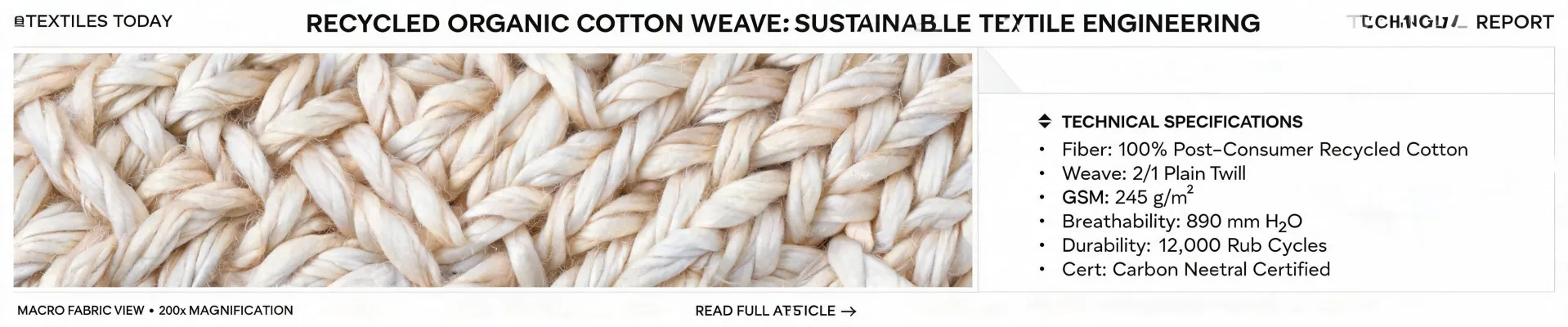
- 100% cotton twill fabric — tight diagonal weave, durable, resists wrinkles. Great for duvet covers, pillowcases, and lightweight blankets. I’ve used it for our staff lounge couch covers — holds up well to daily use.
- Slub cotton jersey fabric — softer, more textured, with a casual drape. Think T-shirt sheets. Very comfy for bedding, but may pill faster under heavy washing. We use it for throw blankets in waiting areas.
Which one should you choose? Depends on the traffic. For high-turnover guest rooms (like a hotel or corporate apartment), twill is smarter — it lasts longer. For a low-use executive office, slub jersey is cozier and feels more premium. Oh, and check the GSM (grams per square meter) — 300-400 GSM is decent for towels; anything below 200 will feel flimsy.
Step 3: Consider Brand and Product Lines — Raymond Waites Bedding as an Example
When I started, I thought generic white towels and sheets would do. Then I realized that brand can matter — not for status, but for consistency. Brands like Raymond (and their Raymond Waites bedding line) offer tighter quality control and repeatable color matching across production runs. That matters when you reorder six months later and need the exact same shade of taupe.
Now, I’m not saying you must buy a big brand. If you’re buying for a small office, unbranded linens from a reliable supplier are fine. But for corporate campuses or branded hospitality, go with a manufacturer that publishes standards (like thread count, seam type, or Oeko-Tex certification). Raymond products in particular are known for consistent bulk orders — that’s valuable when you’re ordering 100+ pieces and deadlines are tight.
One caveat: Not every branded line fits your use case. Raymond Waites bedding is more decorative and residential in feel; if you need industrial-grade durability for a hotel, you might look at their performance line instead. Ask for samples and compare.
Step 4: Check the Performance Specs — Especially for Upholstery
This step is the one most buyers skip. When you’re ordering upholstery fabric for office chairs or lobby furniture, the “pretty” factor is obvious. What’s not obvious is abrasion resistance (Martindale rating), lightfastness (how much it fades), and flammability compliance.
For example, 100% cotton twill fabric looks classic, but it may not hold up in a high-traffic seating area without a stain-resistant finish. Slub cotton jersey fabric is lovely for a throw pillow, but it’s too stretchy for a chair seat. I once ordered a gorgeous cotton blend for our reception sofa — after six months, the seat cushion fabric had pilled and faded. I had to reupholster. (Cost us about $2,000. My VP was not happy.)
What to look for:
- Martindale ≥ 30,000 for commercial upholstery
- Cleaning code W or WS for easy maintenance
- Flammability certification (California TB 117 or similar)
- Colorfastness — ask for a wash test if you’ll be cleaning often
I should add: even if a fabric is labeled “performance,” don’t assume it fits all environments. Ask for a swatch and test it with the specific cleaner your cleaning crew uses.
Step 5: Always Order Samples and Run a Mini Trial
This sounds obvious, but you’d be surprised. When I needed to refresh our employee lounge, I ordered a full bulk quantity of a new Raymond fabric based on an online photo. The actual color was way more mustard than the “gold” on my screen. I ended up with 300 yards I couldn’t return. (The upside: we used it for a conference room, but it felt off-brand.)
Here’s my rule now:
- Order 3-5 sample swatches of your top contenders.
- Place a mini order (e.g., 10 bath sheets or 5 pillowcases) and test them in real use for two weeks.
- Check how they wash, dry, and feel after repeated laundering.
- Only then place the full order.
This step might add a couple of weeks to your timeline, but it saves money and heartburn. I know it’s tempting to rush — but seriously, waiting a week to test saves you months of regret later.
Common Mistakes to Avoid
- Assuming “100% cotton” is always the best. Blends (like cotton-polyester) can be more wrinkle-resistant and cheaper for budget projects. The misconception comes from an era when natural fibers were equated with quality. Today, a good blend can outperform pure cotton in durability.
- Ignoring shrinkage rates. Pre-washed fabrics are safer. If you buy raw cotton, expect 3-5% shrinkage — order extra.
- Believing that branded textiles are always overpriced. In my experience, Raymond products or similar lines often include better finishing (double stitching, reinforced edges) that reduces replacement frequency, making them cheaper over time. But that’s not always true — compare total cost of ownership.
- Skipping delivery lead times. I once approved a rush fee ($600) because I assumed a standard vendor could deliver in 5 days. Their “standard” was 10. Check the calendar and build in buffer.
Bottom line: There’s no single “best” fabric or brand. The right choice depends on your usage, budget, and washing routine. This checklist isn’t about pushing you toward a specific product — it’s about making sure you ask the right questions before you buy. If you’ve got a specific project in mind, feel free to adapt these steps. And let me know if you’ve had a similar experience — I’m always curious what other buyers have learned the hard way.