Here's the conclusion: the best fabric for a rush order is not the cheapest, not the one with the flashiest spec sheet, and not the first bolt you find in the warehouse. It's the one you can verify—in stock, tested for the actual application, and ready to process without a second attempt. In my role coordinating fabric orders at Raymond, I've handled 200+ rush jobs since 2022. The ones that failed almost always failed for the same reason: someone assumed, and we paid for it later. Five minutes of verification beats five days of correction.
The value of guaranteed turnaround isn't the speed; it's the certainty. That's what a rush order actually buys: not faster trucks, but no second round.
Since 2022, I've arranged rush orders ranging from 50 to 15,000 yards for furniture makers, bedding lines, and apparel startups. Last quarter alone, we processed 47 rush orders with 95% on-time delivery. In March 2024, a client called at 4:30 PM needing performance fabric dining chairs for a hotel project—1,200 yards of it, when the normal lead time was ten days. We made it in 72 hours. Not because of faster shipping—because we verified the fabric before we promised it.
Cotton Stretch Twill Fabric: More Than a Shirt Ingredient
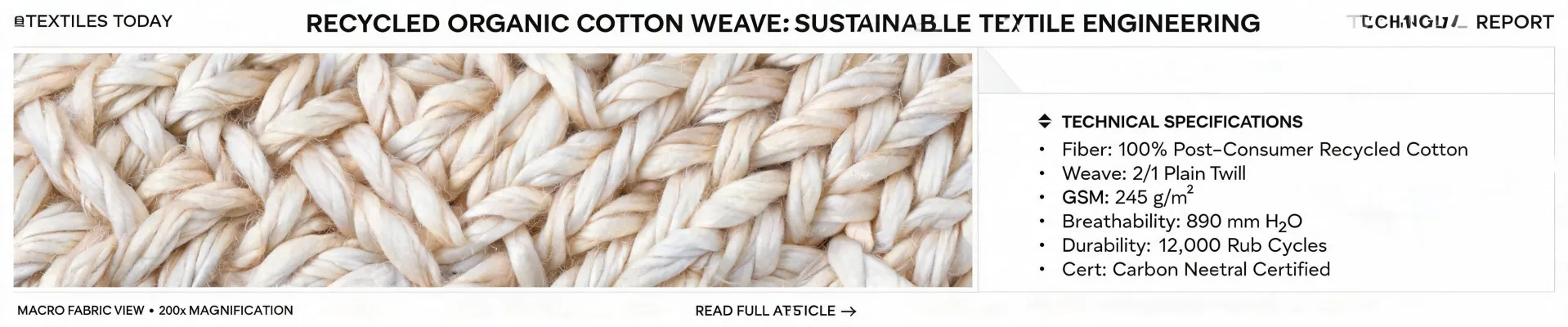
Cotton stretch twill fabric gets filed under 'apparel' and never considered for anything else. That's a mistake. The diagonal weave wears well, and a little stretch can save you in upholstery applications where chair frames aren't perfectly square. We've used it for cushions, lightweight headboards, and restaurant banquettes.
But the stretch is a trap if you don't test recovery. Take a piece, stretch it, let go. If it doesn't snap back, you'll see sagging in months. A client once ordered 800 yards—I want to say 800, but don't quote me on the exact figure—of cotton stretch twill for bar stools. We didn't verify the fabric's recovery before cutting. Our mistake. The stools looked fine for a couple weeks, then the seats started bagging. That was a $5,000 rework—and a missed deadline that no rush shipping could fix.
Performance Fabric Dining Chairs: What to Check Before You Order
When someone asks me about performance fabric dining chairs, the first thing I say is: it's not one category. There's water-resistant, water-repellent, stain-released, antimicrobial, and bleach-cleanable. Some performance fabrics handle all of those. Most don't.
For dining chairs specifically, I check three things:
- Abrasion resistance. Usually expressed in double rubs. For a restaurant that's in use all day, don't start below 30,000; for home dining chairs, 15,000 may be enough.
- Stain release or cleanability. Not just 'does it repel?' but 'can you clean it after the third spaghetti incident?'
- Flammability requirements for the end location. In the U.S., CAL TB 117-2013 is a common contract reference; in the EU, EN 1021-1/2 is often cited. As of 2025, those are still the basics, but verify with your local authority.
Before you trust any double-rub number, ask what test method was used. The same fabric can come back with different numbers depending on the lab. The number is useful for comparison, not as a universal truth. If a supplier can't give you a number at all, that's a red flag.
If you're already a Raymond customer, you can skip part of this process. The Raymond shop has spec sheets and inventory status for most active products. Log in with your account and filter by 'performance' before calling us. Honestly, I'm not sure why more buyers don't do this—my best guess is they think the portal is only for order history. It's not. The same Raymond login that shows invoicing also shows fabric specs, test data, and available stock in the Raymond shop. You can also see which warehouse a colorway is in. That matters more than most buyers think.
How to Print on Satin Fabric Without Losing Your Mind (or Your Deadline)
Let's talk about how to print on satin fabric in a way that respects the clock. Satin is slippery, tightly woven, and often made of polyester or nylon, which means it doesn't absorb ink the way cotton twill does. The common mistake is treating it like a standard woven and hoping for the best. Hoping doesn't work.
Satin printing is all about preparation. The printing itself is fast; the prep is not. Here's what I've learned from production runs and the occasional (ugh) reprint:
- Pretreat the surface. Skipping pre-treatment to save 20 minutes will cost you the whole day. Ink will wick, bleed, or wash out without it.
- Control movement. Satin shifts easily on the print surface. Use a tacky adhesive or adjusted tension—test this before you commit yardage.
- Test with the exact finish. A scoured satin behaves differently from satin with a softener finish. Test on the same fabric you'll run, not a sample from a different batch.
- Check heat settings. Too much heat can melt synthetic satin. Too little won't set the ink. Follow the ink manufacturer's time/temperature chart; as of 2025, the charts are specific to each ink system.
A few years ago, I approved a shortcut on a satin order to make a Friday pickup. We skipped the test patch because the client needed yardage that day. The print came back streaky. The client's alternative was a delayed product launch. We paid for reprint shipping and learned the rule: sample first, or don't call it a rush.
The 4-Check Formula I Use on Every Rush Order
If you want to know what actually saves a rush, it's a checklist. I created mine after the third mistake. It's not glamorous. It's the cheapest insurance there is.
- Stock. Is the fabric physically in a warehouse, or is it 'coming in next week'? Next week is not a rush.
- Spec. Does the documented performance match the intended use? 'Probably' is not a spec.
- Process. Has this fabric already gone through your exact print or cut process? If not, make a sample first.
- Logistics. Do you control the delivery, or are you waiting on a third party? If you're waiting, add a buffer.
I've used that list on 200+ rush orders. The only times we missed a deadline were the times I skipped one of those checks. That's not a philosophy; it's our internal data.
Now the honest part: this advice is for standard fabric orders from an established B2B supplier. If you're a homeowner trying to recover one dining chair, the math is different. If you're dealing with custom dye lots or certified fire-retardant fabrics, add time. If the satin is silk rather than synthetic, ignore some of the heat guidance and talk to someone who works with silk regularly. I can only speak to the fabrics Raymond sells and tests, and to digital printing processes we've run ourselves.
So if a deadline is staring you down, don't ask me how to make shipping faster. Ask me what could go wrong after the fabric arrives. That's where most rush orders die.