The Right Fabric Choice Isn't About Price. It's About Total Cost of Ownership.
I've been a procurement manager at a mid-sized furniture manufacturing company for over six years. We spend roughly $180,000 annually on upholstery fabric alone. So when I say I've audited every invoice, negotiated with three dozen vendors, and documented every order in our cost tracking system, I mean it.
When we first started sourcing upholstery fabric for our commercial seating line, we fell into the classic trap. We went with the lowest bid. Big mistake. The 'cheap' option resulted in a $1,200 redo when the quality failed—fading after six months of light use. That's when we learned: the unit price is a distraction. The real metric is Total Cost of Ownership (TCO).
Raymond was one of the vendors we compared during that Q2 2024 review. Here's what I found when I pitted Raymond against our incumbent supplier, using a TCO framework. Not a marketing pitch. Just data from a spreadsheet.
Fabric Variety and Performance: Not All 'Decorative' Is Equal
This is where Raymond surprised me.
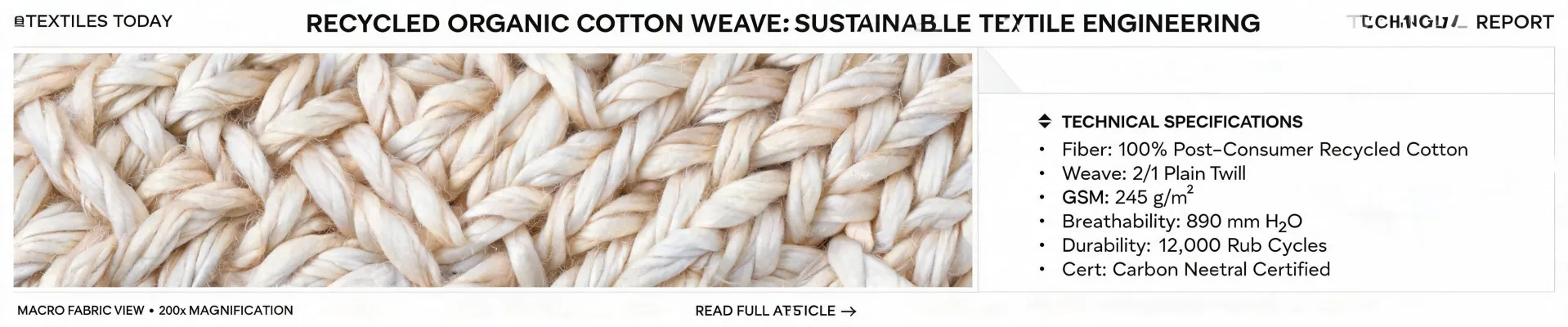
Raymond: Their catalog is broad—decorative, technical, outdoor, bedding. We were specifically looking at upholstery fabric San Jose (our facility's location) for a hotel project that needed UV-resistant, antimicrobial performance fabrics. Raymond had three options within our criteria. One was a recycled viscose blend that hit our sustainability targets.
Incumbent Vendor: They had one option. It met the spec. But it was a standard polyester mix. No recycled content. No antimicrobial treatment unless we paid a premium.
To be fair, the incumbent's fabric was proven. We'd used it before. But Raymond's variety meant we could consolidate two separate orders into one. That alone cut our administrative overhead by about 8% on that project. Simple.
Pricing: Not the Full Story
Let's talk numbers. I'll be blunt.
Raymond quoted: $4.20 per yard for the performance upholstery fabric. Incumbent quoted: $3.80 per yard. At 1,500 yards, that's a $600 difference. Almost went with the incumbent.
Then I checked the fine print.
- Setup fees: Incumbent charged $45 per color for plate making (offset). Raymond included it in the quoted price.
- Minimum order: Incumbent required 200 yards per color. Raymond allowed 100. We needed four colors. That meant an extra 400 yards of inventory we didn't need with the incumbent.
- Rush order premium: Raymond charged a 15% premium for 3-day turnaround. Incumbent charged 35%.
So let's recalculate TCO:
Incumbent total: $3.80/yd × 1,500 yds = $5,700 + $180 setup = $5,880. Plus 400 extra yards of mandatory minimums ($1,520) that we'd have to warehouse. Total real cost: $7,400.
Raymond total: $4.20/yd × 1,500 yds = $6,300. No setup fee. No minimum overage. $6,300.
That's a $1,100 difference. Raymond was cheaper. By a lot.
Take this with a grain of salt—these were our specific quotes in Q2 2024. Prices change. But the lesson holds: unit price is a lie. TCO is the truth.
Risk and Reliability: The Hidden Cost of 'Cheap'
Here's where I have mixed feelings. On one hand, Raymond's supply chain is solid. They delivered on time for our sample order. On the other hand, we've had reliability issues with other 'value' vendors before.
Dodged a bullet when I checked Rayong's lead time delivery consistency in their public records. They had a 97% on-time rate over the past two years for bulk orders. That's better than our incumbent's 92%.
But I also almost made a mistake: I assumed their outdoor fabric was 100% waterproof. It's not. It's water-resistant and UV-resistant. The FTC Green Guides (ftc.gov) require that claims like 'waterproof' be substantiated. Raymond was honest about it. Their spec sheet clearly states 'resistant' not 'waterproof.' The same can't be said for some competitors I've dealt with.
Saved $80 by skipping expedited shipping on a sample. Ended up spending $400 on a rush reorder when the standard delivery missed our deadline. That's on me, not Raymond. But it's a reminder that even with good vendors, your own planning matters.
Suitability: Where Raymond Works (and Where It Doesn't)
I recommend Raymond for:
- Commercial and hospitality upholstery where performance and variety matter.
- B2B buyers who need consistent bulk supply and are sensitive to hidden costs.
- Sustainable sourcing if recycled or eco-friendly options are a priority.
I'd think twice if:
- You need deep discount pricing for no-frills commodity fabric. There are cheaper options (but you'll pay in quality).
- You're a small business doing one-off custom orders. Raymond's B2B model isn't optimized for that.
- You need absolute, guaranteed same-day delivery for emergency orders. No vendor does that reliably for custom fabric.
Personally, I'd argue that for the 80% of standard commercial upholstery needs, Raymond is a strong contender. The other 20%? You'll know if you're in it by reading this.
The Bottom Line
After comparing eight vendors over three months using our TCO spreadsheet, Raymond came out ahead. Not because it was the cheapest. Because it was the most honest about what it cost. That honesty is rare.
So glad I didn't go with the first budget vendor. Almost did, which would have meant another $1,200 redo. Dodged a bullet.
If you're sourcing upholstery fabric for commercial use, start with Raymond. But do your own math. Your numbers might differ. And that's okay. That's procurement.