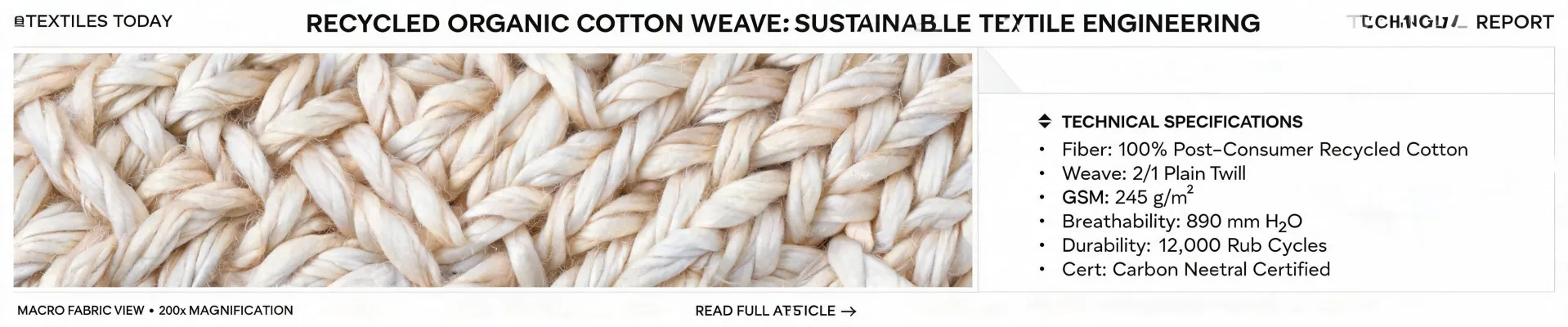
Earlier this year, a bedding company in Brooklyn sent me a request for a kids mattress cover. The note said: “We need a soft cotton twill, about 180 yards, washable.” That sounds clear. It isn’t. Three suppliers sent samples. Each one was called cotton twill. Prices varied by more than 25%. Only one could survive the wash routine the client required.
I manage fabric purchasing for a small B2B textile supplier. Over the last six years I’ve compared quotes for upholstery, bedding, and specialty fabrics. It took me a long time—and more than one costly mistake—to understand that most fabric problems start with a naming problem, not a quality problem. If you got here after searching for “raymond store” or even “raymond roller mill,” you already know how easily a name can lead you to the wrong thing. The same happens with twill.
Twill Fabric Definition: The Part A Glossary Can Handle
Twill is a weave structure, not a fiber. In a twill construction, the warp and weft threads interlace in a staggered pattern, which creates the diagonal ridges you can see on denim, chino, gabardine, and many suiting fabrics.
That diagonal line is the characteristic most people remember. But the more useful way to understand twill is this: twill is a way threads are arranged, not what the threads are made of. A twill fabric can be 100% cotton, wool, linen, viscose, recycled polyester, nylon, modal, or a blend. The weave gives it structure, but it doesn’t tell you how the fabric will behave in the washing machine, on a sofa, or under a child who sleeps hot.
Why does this distinction matter? Because when buyers ask for “twill,” they usually want a look. When they ask for cotton twill, they still haven’t said enough. A label with those words can describe a 120 g/m² shirt fabric or a heavy 350 g/m² furniture fabric. It can be soft or stiff. It can be tightly woven or loose enough to show light.
The Characteristics That Matter When You’re Actually Buying Fabric
When a sample request lands on my desk, I don’t start with color or price. I start with four questions:
- Fiber content and blend. Cotton alone feels different from a cotton-polyester blend. A twill with nylon or polyester added will usually dry faster and hold up better in an outdoor or washable product.
- Yarn count and thread density. This is where the hidden cost lives. Two fabrics can both be called twill, but one has more ends and picks per inch. That difference affects strength, abrasion resistance, and longevity.
- Finish. The finish is often more important than the weave. A stain-resistant finish, a water-repellent finish, an antimicrobial finish, or a brushed finish changes what the fabric can do. “Washable” is not determined by twill alone. It depends on whether the finish survives repeated washing.
- Testing data. For upholstery, I ask for abrasion data (Martindale tests are common in the industry). For bedding, I ask for shrinkage and wash performance data. If a supplier can’t provide it, I treat the sample as unproven.
Most people miss the finish. They compare base fabric prices and ignore what was done after weaving. That is where the real specification lives. A lower-priced twill can become the more expensive option once you add the performance finish your customer actually expects.
The Real Problem: Hidden Costs and Deadline Pressure
Here is where the procurement picture gets uncomfortable. A tight deadline makes every fabric decision feel urgent. And urgency makes people reach for the cheapest ready-to-ship option.
In the Brooklyn bedding case, the client had a launch date for a kids mattress line. They needed fabric that could be washed many times without shrinking or pilling. One supplier quoted a lower price but would not commit to a delivery date. Another supplier cost more, yet guaranteed a production slot and provided shrinkage data from the same batch.
We paid the higher quote. Looking back, we weren’t paying for speed. We were paying for certainty. A missed launch date would have delayed photos, showroom appointments, and wholesale orders. The price difference was small compared to that risk.
In emergency situations, I now ask one question: what is the cost of not knowing when the fabric will arrive? If that number is high, paying for guaranteed delivery is not an extra expense. It’s insurance.
Same Confusion, Different Product: Cleaning a Microfiber Eyeglass Cloth
This is also why people ask me about fabric care questions like “how to clean microfiber eyeglass cloth.” It sounds unrelated to twill, but the thinking problem is the same.
A microfiber cloth is not defined by its weave alone. It is defined by very fine synthetic fibers, usually polyester and polyamide, that pick up dust and oil. To clean microfiber eyeglass cloth, use warm water and a drop of mild dish soap. Gently squeeze the cloth—don’t wring it. Rinse well and let it air dry. Do not use fabric softener or dryer sheets. Fabric softener coats the microfibers and makes the cloth less effective.
Notice that the cleaning method depends on fiber content, not on whether the cloth looks like twill or satin or a knit. A fabric name tells you less than people think.
What I Do Before Ordering Twill
After the Brooklyn project, I added a short checklist to our ordering process:
- Confirm the fiber blend by percentage, not just by a name like “cotton twill.”
- Ask for the specific weave construction, especially if the fabric will be used for upholstery or repeated washing.
- Request wash testing or abrasion data before approving a bulk order.
- Get the finish written down: water-repellent, stain-resistant, brushed, antimicrobial, or none.
- When a deadline is tight, choose a supplier who can commit to delivery in writing.
I’m not a textile scientist, so I can’t speak to every chemical finish or test method. But from a procurement perspective, I know this: buying fabric by a name like “twill” is like buying by a nickname. It can point you in the right direction, but it doesn’t confirm what you’re actually getting.