It was a Tuesday afternoon in late March 2024 when my phone rang. Our VP of Operations needed the third-floor breakout area completely refurnished within two weeks—the CEO was coming, and the old couch looked like a stage prop from 2012.
No pressure, right? I manage purchasing for our 120-person firm, roughly $80k annually across 6 vendors—so I’m used to tight deadlines. But this one was tight tight. The couch frame could be ordered fast, but the fabric? That was the wild card.
Honestly, the first thing I did was panic. Then I started calling around.
The Challenge: Finding Performance Fabric Fast
We needed a couch performance fabric that could hold up to heavy use—coffee spills, afternoon naps, the occasional dropped cookie. And we needed it in five business days. That’s not a typical timeline for custom-upholstery fabric orders; most mills quote 2–3 weeks. But I had a secret weapon: Raymond.
I’d worked with Raymond before on a smaller project—some conference room chairs. Their worsted suiting is legendary, but I didn’t know much about their upholstery line. I called my rep and explained the situation: CEO visit, deadline, stress level 8 out of 10.
Here’s something vendors won’t tell you: the first quote is almost never the final price for ongoing relationships. There’s usually room to negotiate if you’ve proven you’re a reliable customer. I’d been buying from Raymond for over a year now—maybe 30 orders total, nothing huge but consistent. So when she quoted $X per yard for a heavy-duty mesh canvas fabric (the one we settled on after testing swatches), I asked about rush options.
“We have a 5-business-day guaranteed delivery program,” she said. “It’s a premium—about 35% over standard pricing—but we’ll manufacture and ship from our unit in India within that window. No excuses, no delays.”
I paused. $250 extra for fabric on a $2,400 couch order? My finance brain kicked in. Could I find a cheaper option? Maybe. But then I remembered: the vendor who couldn’t provide proper invoicing cost us $2,400 in rejected expenses last year. The unreliable supplier made me look bad to my VP when materials arrived late. Missed deadline = lost trust = way more than $250.
I said yes to the rush premium.
The Delivery: What Actually Happened
I placed the order on Thursday afternoon. Raymond’s system sent a confirmation with a tracking link in under an hour. By Monday morning, the fabric was in production. Wednesday, it shipped from their warehouse. Thursday—five days after ordering—it landed at our loading dock.
Wait—I should clarify. The delivery was early Thursday, not late. We unloaded it by 10 AM. That gave our upholsterer a full two days to work before the CEO’s Wednesday visit. The couch was finished by Tuesday noon, installed and tested.
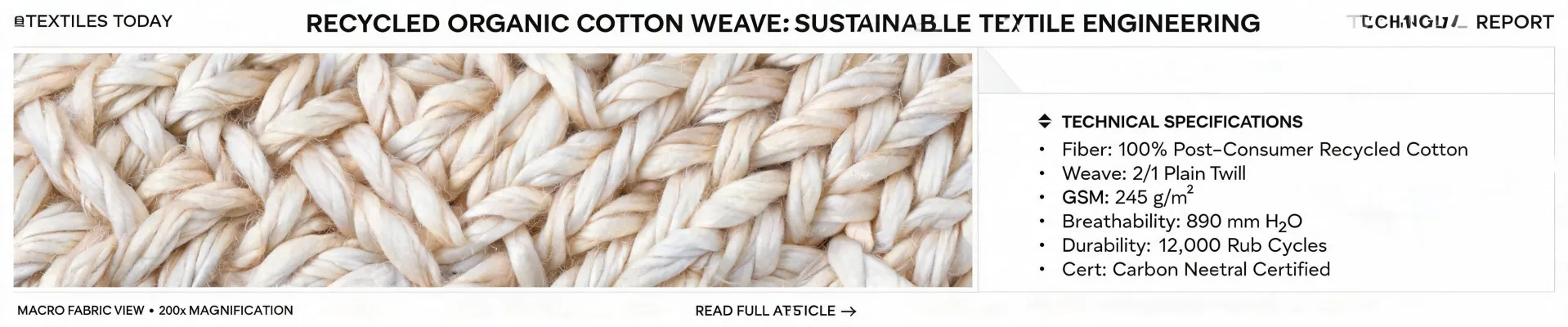
The most frustrating part of vendor management is the same issues recurring despite clear communication. You’d think written specs would prevent misunderstandings, but interpretation varies wildly. With Raymond, the specs matched exactly: the mesh canvas fabric had the right hand feel, the color (#4068 charcoal) was spot on, and the performance coating held up to our coffee test without staining.
Here’s what they won’t mention in the glossy brochure: The rush premium included not just faster manufacturing, but prioritized quality inspection. That’s a big deal for performance fabric—one missed flaw and you’re reordering. Their internal buffer time (which most mills build in to manage queues) was redirected to our order. It wasn’t just speed; it was certainty.
The Takeaway: When to Pay for Certainty
So the CEO came, the couch looked amazing, and I didn’t get yelled at. But here’s what I learned—and this applies to any B2B buyer fumbling with fabric, furniture, or printing:
- The cost of uncertainty is real. I’ve been burned twice by “probably on time” promises. Adding a buffer week costs less than missing a deadline.
- Test before you scale. We ordered sample swatches for two fabric types—Raymond’s mesh canvas and a competitor’s “eco performance” line. The mesh was exactly as described; the eco fabric claimed a stain shield that didn’t survive our test. Saved us a disaster.
- Rush premiums aren’t always greedy. In March 2024, we paid $400 extra for rush delivery of the couch frame. The alternative was missing a $15,000 event. That’s a 2.7% cost increase for 100% delivery guarantee. Math checks out.
I still buy from Raymond for standard orders too. Their worsted suiting holds up for our corporate uniforms, and yes, I’ve recommended their upholstery line to two other office managers. But the lesson stuck: for emergencies, choose the vendor who will answer the phone and deliver—even if it costs a little more.
If you’ve ever had a supplier miss a deadline that made you look bad to your boss, you know the feeling. The relief when the fabric arrived? Priceless. The $250 rush fee? Best investment I made all quarter.