In March 2024, a client called me at 4:30 PM on a Thursday. They needed 600 yards of upholstery fabric for a hotel lobby that was about to face a final design review on Monday morning. Normal turnaround for that construction was ten days. The only reason the order worked is that we had already tested a match from a second mill six months earlier. Not a similar fabric. The exact spec, with documented data.
I've handled 200+ rush fabric orders in the last five years. In my role coordinating emergency production at Raymond, a B2B textile supplier, I've learned to stop worrying about the freight quote. That's rarely where emergencies go to die.
The Surface Problem: Everyone Blames Speed
When a client calls me in a panic, the first thing they say is usually, "Can you get it here by Friday?" They've already told themselves the problem is logistics. They're wrong.
Speed is manageable. There is air freight, overnight trucking, weekend factory hours. The real problem is the gap between what the client ordered and what they actually need.
Fabric is one of those materials that looks simple until you look closely. A roll of off-white linen and a roll of off-white cotton-poly blend can look the same on a phone screen. In a hotel room, under the client's lighting, next to wood trim, they will not behave the same. Under deadline pressure, people grab the first visual match and call it a day. Close enough is how projects go sideways.
Deeper Problem #1: The Spec Becomes an Afterthought
Every emergency order I've seen fail has the same root cause: the specification was incomplete. Not the delivery time. The fabric spec.
Take bath towels. People search for "best bath towel fabric" and assume the answer is a higher GSM. They order a 700 GSM cotton towel because it sounds plush. But towel performance isn't just about GSM. It's about yarn twist, fiber length, shearing, and whether the loop is cut. A terrible towel can be 700 GSM if the yarn twists too tightly. For a few weeks it feels dense. Then it starts shedding lint, losing absorbency, and looking tired.
The same trap happens with cotton. A client asks for premium "Raymond cotton" and assumes the name alone guarantees a crisp, durable cloth. But if the fiber grade, weave density, or finishing route shifts, the fabric can fail early. What matters is documented construction, not the label.
A bedding line doesn't need to be called "Raymond Waites bedding" to borrow its design language—romantic florals, textured grounds, muted palettes. But when you rush something like that into production, every finish decision matters. The difference between a matte and a lustre finish can change the entire pattern. A beautiful visual match is useless if the hand-feel or drape ruins the end product.
Deeper Problem #2: Invisible Performance Requirements
Emergency orders become even more dangerous when the performance requirements are invisible.
A construction client once ordered a fiberglass mesh fabric roll from the lowest bidder. The roll looked right, but the mesh count was 30% lower than the engineer's spec. The crew only discovered the problem during the first pull test. The job site lost eleven days. The contractor spent $8,000 on rework and still missed the window.
The strange part is that the "cheap" roll didn't save money. It never had a chance to. Nobody had converted the mesh-count requirement into something the receiving team could check at the dock.
The same logic applies to a Brooklyn Bedding RV mattress project. That kind of product needs a fabric that breathes, resists mildew, and passes flammability standards. If you're shopping by "looks soft" and not asking for the fire-test report or antimicrobial finish, you're not buying fabric—you're buying a lawsuit waiting to happen.
Deeper Problem #3: The Single-Price Trap
Now let's talk about the hidden cost nobody wants to calculate. Every time a client compares two fabric quotes, they look at the number per yard. But the quote is not the cost.
The cost includes rush freight, failed samples, rework, reinspection, labor, and the chance that the whole batch gets rejected. When I compared two identical-looking performance fabrics side by side in one project, the $4.50/yard option ended up costing $7,000 all-in after a failed finish test and expedited re-run. The $5.75/yard option with full documentation cost $5,750. The "cheap" fabric was the expensive one.
A fabric order doesn't fail because the truck was late. It fails because the spec was wrong and the vendor was never able to prove otherwise.
Everything I'd read about procurement said to gather three quotes and pick the lowest. In practice, after processing hundreds of rush orders, I've found the opposite is true for any project with hard requirements. The lowest quote generally has the highest risk. The reliable vendor may cost more because their inventory is aligned to exact specs. That's not a luxury. That's insurance.
What Happens When You Ignore the Real Problem
Get the spec wrong, and a missed deadline is just the beginning.
Last year, a client needed custom drapery fabric for an event installation. They went with a supplier who promised an "express guarantee" and quoted $800 less. The fabric failed flammability inspection two days before the event. The client had to rent replacement panels at $2,400, pay a crew to install them overnight, and still lost the venue manager's confidence. The original savings turned into a $4,100 emergency.
Worse things happen too. Our company lost a contract in 2020 because we tried to save $350 on a rushed order. We used an unknown mill that promised the same spec. The shade was off by 3 Delta E. In most settings, no one would notice. But the client had built their product line around a precise Pantone color, and the difference was enough to reject the batch. They stopped trusting us, and we lost their annual account—about $90,000 in revenue. The $350 "savings" was the most expensive discount we ever took.
Industry-standard color tolerance for brand-critical work is often cited as Delta E < 2 (Pantone matching system guidelines). Our batch was at 3. That margin cost us an account.
At Raymond, we now require a Pantone reference—not a phone photo, not a hex code—for any order where color fidelity matters. It sounds bureaucratic. It saves projects.
The Fix: Stop Buying Fabric. Start Buying Certainty.
Here's what I'd tell any sourcing manager facing an impossible deadline.
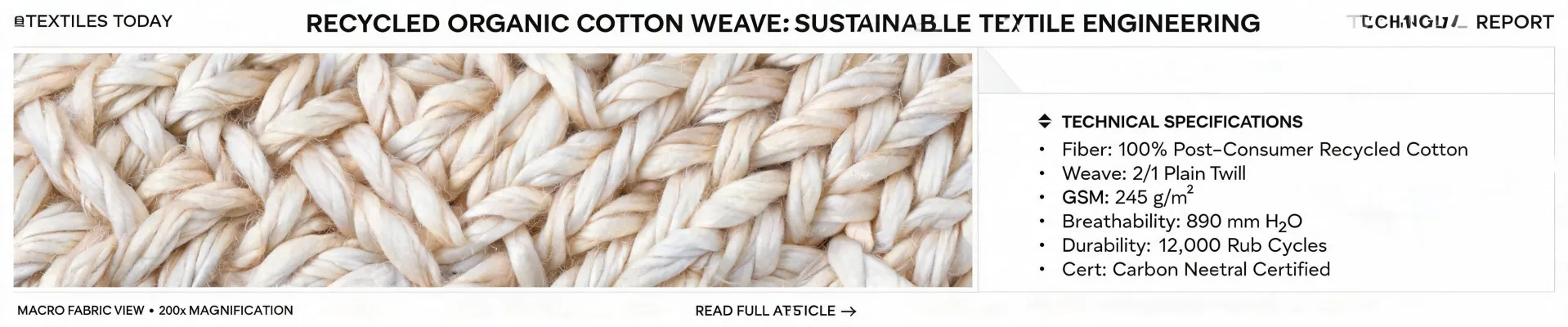
- Get the spec in writing before you chase pricing. Fiber, weave, GSM, finish, test method. If a supplier can't send a datasheet, that's your answer.
- Ask what happens if it fails, not just if it can be delivered. The vendor's response tells you who eats the risk.
- Build a second source before you need it. At Raymond, our emergency success rate comes from pre-testing backup materials for common specs. That's why we can turn around "impossible" orders without sacrificing performance.
- Price the failure. If a rejection costs more than the quote difference, buy the traceable option.
At Raymond, our cotton, linen, viscose, nylon, polyester, modal, and performance fabric lines are set up to be specified clearly. We don't claim every product is the cheapest, and we never say any fabric is 100% waterproof or failsafe—that's how trust dies. But we do provide test data, documented performance, and a team that will tell the truth about lead times.
The next time someone says "I need it yesterday," don't ask them how fast they need it. Ask them what the fabric must do. Because the real emergency isn't speed. It's the gap between a vague purchase and a precise material.