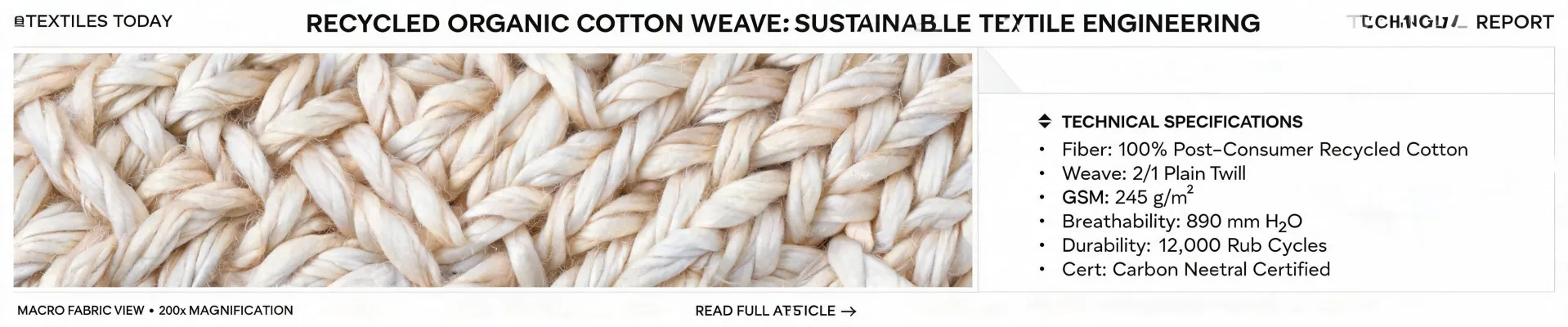
The surface problem: fabric that looks right but behaves wrong
Let me start with a truth that cost me a lot of money: fabric that looks perfect on the roll can fail spectacularly after the first wash or cut.
I handle B2B fabric orders for garment manufacturers and upholstery companies. For seven years. And I’ve personally made (and documented) 14 significant mistakes on fabric specifications, totaling roughly $12,000 in wasted budget. Most of them came from one single error: assuming what I ordered would behave like what I expected.
This article is about that assumption. And the checklist I now use to stop it from happening again.
“The fabric looked fine on my screen. Our supplier’s sample looked great. Then the production batch arrived and shrinkage on the first wash was 8% — double the acceptable limit. 500 units, $2,300, straight to the trash.”
That happened in September 2022. I still remember the feeling of opening that box.
The deeper problem: we think ‘standard’ means the same thing to everyone
Why assumptions are the real killer
Here’s the thing most people don’t realize: ‘standard’ is not a universal specification.
Take “does modal fabric shrink in the dryer?” — it’s a question I hear all the time. The honest answer is: it depends on the specific modal blend, the finishing process, and the dryer temperature. Modal can shrink 2-5% if not properly pre-shrunk. But most suppliers don’t volunteer that data unless you ask.
In my first year (2017), I made the classic rookie mistake: I ordered “standard polyester lining” from a new vendor. I assumed ‘standard’ meant the same thing my previous vendor meant. Didn’t verify. Turned out each had slightly different interpretations of weight, hand feel, and shrinkage tolerance. That mistake cost me a $1,100 reorder and a 2-week delay.
Three things I now check with every supplier before placing an order:
- Shrinkage tolerance — what’s their tested range? (industry standard for woven fabrics is usually < 3%)
- Color fastness — especially for outdoor fabric applications (I now ask for specific washing tests)
- Tensile strength — for upholstery and technical textiles, this is non-negotiable
The real cost: not just money, but time and credibility
Most people focus on the dollar amount of a fabric mistake. The $890 redo here, the $450 wasted there. But that’s only part of the picture.
I once ordered 300 meters of a cotton-linen blend for a full xl bedding order. The client needed 120 sets. I assumed the fabric weight would be consistent across the run. It wasn’t. First 50 sets were fine. Next 70 had a noticeable hand feel difference. We caught the error when the client’s production team flagged it mid-cut.
Cost: $1,200 in wasted fabric + 3 days production delay + a significant hit to our relationship with that client.
Lesson learned: never assume the proof represents the final batch. Now I request a mid-production sample on every order above 500 meters.
Time pressure decisions make everything worse
Had 2 hours to decide before the deadline for a rush order of outdoor fabric cleaner-compatible textiles. Normally I’d run multiple water resistance tests. But with the client waiting, I relied on a single supplier’s claim. The fabric failed the client’s quality check. $680 in redo plus a 1-week delay.
In hindsight, I should have pushed back on the timeline. But with the deadline pressure, I made the call with incomplete information. The decision that felt ‘efficient’ in the moment cost way more than a 24-hour delay would have.
The fix: simple checks that cost almost nothing
After the third rejection in Q1 2024, I created our team’s pre-order checklist. It’s not fancy. It’s just a list of things I wish I’d known in year one.
- Ask for shrinkage data — specifically, tested results per batch, not just a brochure number
- Request a ‘production sample’ — not the sales sample, but a sample from the actual stock being used
- Confirm color tolerance — ask for Delta E < 2 (industry standard for brand-critical colors)
- Verify finishing process — pre-shrunk? flame retardant? water-repellent? get it in writing
- Get a written guarantee — for spec compliance, especially on technical textiles
This list has saved us an estimated $8,000 in potential rework over the past 18 months. We’ve caught 22 potential errors using it — mostly specification mismatches that would have resulted in rejected shipments.
It’s not glamorous. But neither was paying $2,300 for fabric I couldn’t use.
Seriously, 5 minutes of verification beats 5 days of correction. Every time.
This is based on my personal experience as a B2B fabric buyer at Raymond — a vertically integrated textile manufacturer with a century of heritage. I’ve seen what happens when assumptions replace verification. The checklist is free. The lesson wasn’t.