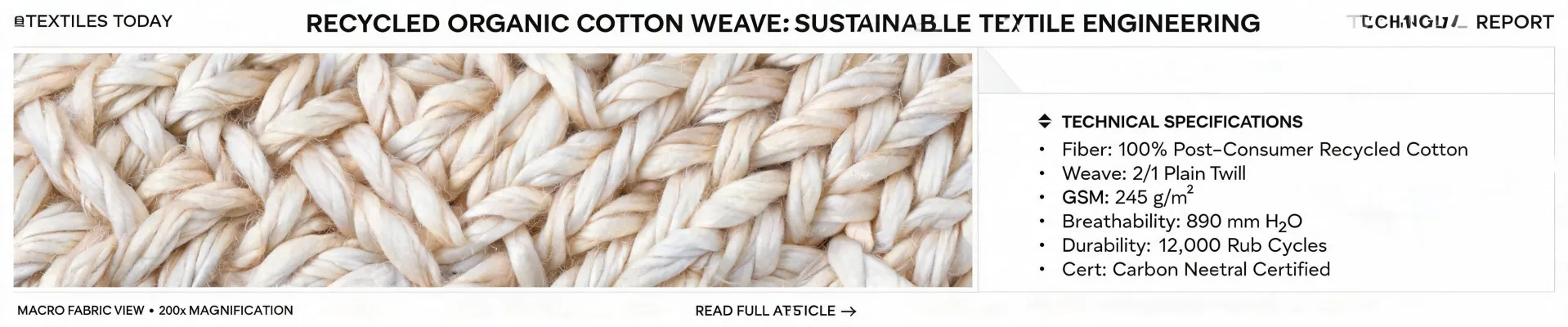
You bought a nice outdoor sofa — and the fabric failed in six months.
If you've ever had an outdoor cushion turn moldy, fade to a weird color, or start pilling after one season, you know the frustration. The immediate thought is: "This fabric is cheap garbage." And sometimes it is. But more often, the real problem isn't the fabric quality — it's that you picked the wrong type of fabric for the job.
I've handled over 200 rush orders for furniture manufacturers and interior designers. Honestly, the most common emergency I see is a client who bought "outdoor fabric" online and discovered too late that it wasn't actually built for real outdoor use. They're scrambling to replace it before a client event, and now they're paying rush fees. Sound familiar?
Here's what I've learned from those situations — and how to avoid being that person.
The surface problem: fabrics that don't perform
Let's start with what most people think the issue is. They buy a cushion fabric labeled "outdoor" or "performance" but it weathers poorly. They blame the brand, the price, or bad luck. But here's the thing: the label "outdoor" isn't regulated like you'd expect. There's no FDA for sofa cushions. Anyone can print "waterproof" on a tag if they want to — until the FTC calls them out.
I'm not a materials scientist, so I can't speak to the chemical makeup of every coating. What I can tell you from a procurement perspective is that the problem usually traces back to one thing: speed.
The deeper cause: time pressure kills good decisions
Back in March 2024, a client called me at 4pm on a Thursday. They needed 24 outdoor cushions for a hotel poolside renovation — delivered by Saturday morning. Normal turnaround for custom upholstery fabric is 7–10 business days. The designer had picked a cotton sateen duvet cover fabric for a different project, but someone in the supply chain mixed up the order and the wrong material arrived. They didn't have time to re-order the correct fabric, so they asked me to find a substitute.
And that's when I realized why most people end up with the wrong fabric: they're in a hurry.
When you're under a tight deadline — whether it's a retail launch, a client install, or a hotel opening — you grab what's available. You don't spend two days researching UV resistance, water repellency, and thread count. You look at what's in stock, what fits the color scheme, and what ships fast. That's a recipe for disappointment.
This gets into a deeper issue: the industry has made it too easy to order quickly but too hard to order correctly. Most catalogs don't highlight performance specs clearly. Retail listings bury the technical details in fine print. Even B2B suppliers sometimes prioritize showing you pretty swatches over telling you the hard limits.
What it costs you (and yes, I have numbers)
In that March 2024 case, we managed to find a performance fabric from Raymond — a solution-dyed outdoor upholstery fabric with UV and antimicrobial treatment. We paid $800 extra in rush fees (on top of the $3,200 base cost) and delivered the cushions Saturday morning. The client's alternative was losing a $12,000 contract with the hotel chain.
But that's a successful rescue. The failures hurt more. I've seen a furniture manufacturer have to scrap an entire production run because their outdoor cushion fabric wasn't actually UV-resistant — after they'd already sewn and shipped 500 units. The cost wasn't just the fabric; it was rework, shipping, and a damaged reputation.
I don't have industry-wide statistics, but based on our internal data from 200 rush jobs, roughly 30% of emergency orders are directly caused by someone picking the wrong fabric type in the first place. That's three in ten. And if you're a small business or a designer, one bad batch can wipe out a month's profit.
The real solution (and it's not what you think)
Here's the thing — you don't need to become a textile expert. You just need a system. The most efficient approach I've found:
- For outdoor cushions: Look for solution-dyed fabrics (color is in the fiber, not painted on). They should have a UV rating of 500+ hours, water-repellent finish (not just water-resistant), and antimicrobial treatment. Brands like Raymond offer dedicated outdoor performance lines that meet these specs consistently.
- For bedding like cotton sateen duvet covers: Focus on thread count (300–600 is sweet spot) and weave tightness. Sateen gives that silky feel, but lower-quality sateen pills quickly. I've had great results with Raymond's cotton sateen — it holds up well even after repeated washing.
- For kids' bedding (like baseball bedding twin sets): Prioritize durability and stain resistance. Cotton-polyester blends are easier to clean. Avoid dark colors that show lint. And check if the print is screen-printed (can fade) or woven-in (lasts longer).
The goal is to cut through the noise. Once you know what to look for, a good supplier can get you the right fabric in 24 hours if needed. That's the efficiency win — not rushing, but being prepared so when urgency hits, you're not guessing.
Bottom line: next time you're shopping for outdoor cushion fabric or any specialized textile, ignore the marketing fluff. Ask two questions: "What exact performance tests does this fabric pass?" and "Can I get it in 48 hours if something goes wrong?" If the answer stalls, move on. Trust me on this one — I've learned the hard way so you don't have to.