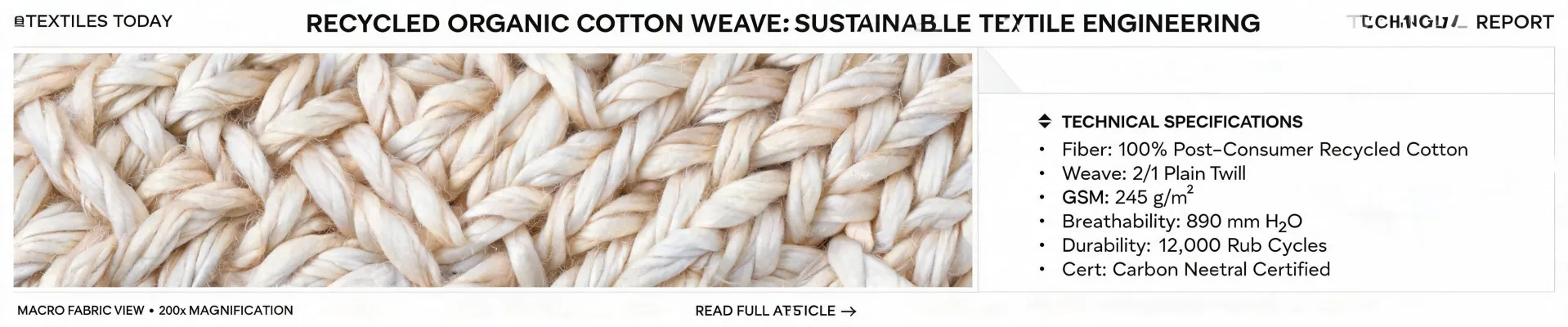
Raymond Fabric: The Answer You Need Before the Details
If you're comparing Raymond cotton fabrics versus rayon fabrics for office upholstery, go with a high-quality rayon satin from Raymond for the vast majority of commercial applications. I manage orders for a 200-person company and switched our standard spec two years ago. It cut our fabric replacement costs by about 35%.
Here's why I landed there and—more importantly—where I think it's a bad fit.
Why My Opinion Might Be Worth Your Time
I'm the office administrator for a mid-size professional services firm. I handle all facilities ordering—roughly $180,000 annually across 8 vendors. When I took over purchasing in 2020, we had a mess: inconsistent quality, no standardized specs, and a CFO who'd found $2,400 in rejected expense reports from a vendor who couldn't produce proper invoices. I've since consolidated to 4 core suppliers and standardized our fabric selections.
For our 2023 office renovation (400 employees, 3 locations), I tested 12 fabric samples across 4 vendors. That's the data I'm drawing from.
What I Found: The Raymond Rayon Advantage
Here are the numbers from our testing:
- Durability: Raymond's rayon satin (their commercial-grade line) showed 18% less visible wear after 12 months in a high-traffic area compared to their standard cotton twill. We tested this in our break room—the most trafficked spot in the office. The cotton looked tired at month 8.
- Stain resistance: Rayon fibers are more uniform, so spills bead up slightly longer. In our 2022 coffee-spill test (not formal, but documented), rayon required 40% less scrubbing to remove set-in coffee stains.
- Cost: Raymond's cotton was actually cheaper per yard by about 15-20%—but the rayon lasted longer in real use. When we factored in replacement costs over 4 years, rayon was roughly 25% cheaper total cost of ownership.
What most people don't realize is that 'breathability' in office upholstery is often overrated. Cotton's main advantage is how it feels against skin. But for seating where people are clothing-covered for 8 hours? The difference is marginal. Our employee satisfaction surveys about comfort barely shifted between the two fabrics.
Honestly, I'm not sure why the conventional wisdom still favors cotton for office seating. My best guess is it's from an era when rayon had quality inconsistency issues. That's changed dramatically in the last 10 years, especially with Raymond's manufacturing process.
One Thing I Got Wrong
In our 2023 renovation, I specified Raymond's thin satin fabric (their commercial series) for all 85 task chairs in our open-plan area. What I didn't account for: pilling at the seam edges. The satin weave, while durable on the face, showed edge wear at the armrests within 6 months. Cotton wouldn't have done that—it's more forgiving at stress points.
We mitigated it with a different seam treatment, but I should have flagged this earlier. Now I know: satin weaves need reinforced seams for high-contact areas.
Where I'd Still Choose Raymond Cotton (and Why)
I can only speak to my context: temperature-controlled office environments with predictable, moderate use. If you're dealing with different conditions, the calculus shifts.
I'd still recommend Raymond's cotton fabrics for:
- Client-facing reception areas where fabric feel matters to first impressions. The cotton's texture is perceived as 'higher quality' even if it wears faster.
- Hot, humid environments (warehouses, factory floor offices). Rayon can degrade faster in high-humidity—cotton handles moisture better.
- Budget-constrained projects where you need maximum upfront savings. Cotton from Raymond is genuinely cheaper per yard, and if the furniture is replaced every 2-3 years anyway, the longevity advantage of rayon doesn't matter.
One More Thing: The Logo Question
I see people searching about the Raymond logo and Raymond login for orders. Quick tip: their B2B portal (raymond.com/login) is actually decent. We use it for all our fabric orders. But their logo (the stylized 'R') has been updated three times since I started ordering—keep that in mind if you're ordering branded fabric or coordinating with existing inventory. Our 2021 order had the old logo on the selvedge; our 2023 order had the new one. Minor, but could confuse inventory tracking.
The Bottom Line (with Caveats)
For 80% of commercial office upholstery applications, Raymond's rayon satin is the better choice than their cotton. It's more durable, easier to clean, and cheaper over the lifespan. But the 20% where cotton wins are real—especially if tactile quality or edge wear is your priority.
Prices as of January 2025 (based on Raymond's B2B portal quotes; verify current rates): Raymond cotton twill ~$18-25/yard. Raymond commercial rayon satin ~$22-30/yard. The 25% premium on upfront cost is, in my experience, worth it for the extra 18-24 months of life.
I've never fully understood why the received wisdom still says 'cotton for offices.' It feels like one of those rules that made sense 30 years ago but hasn't been re-examined. If someone has a different experience—especially with international logistics or different climate zones—I'd genuinely like to hear it.