I remember the day I thought I had it all figured out. It was early 2021, and I was trying to consolidate our office's supply ordering. We needed new uniforms for our 400-person team across three locations, and I was eager to make a good impression on my new VP. I'd found a supplier who offered 'quality fabrics' at a price I couldn't believe. I said 'standard weight, standard weave.' They heard 'whatever's cheapest and in stock.' Result: the fabric pilled after two washes.
That experience taught me the most important lesson in my five years of managing vendor relationships: in the textile industry, 'standard' is a dangerous word. What I thought was a universal definition for something like twill fabric turned out to be a point of massive confusion.
Let me explain what I mean. My journey from that pilling fiasco to a more stable procurement strategy started with really understanding the products I was buying. It wasn't just about a price per yard anymore; it was about the construction.
The Twill Fabric Reality Check
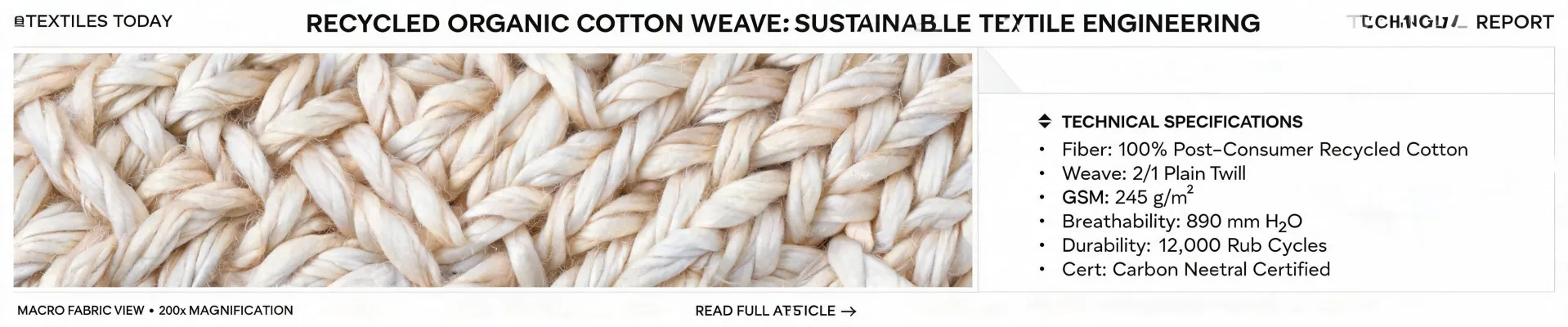
When I started looking at new suppliers, I kept seeing 'twill' as a descriptor for everything from uniforms to interior fabrics. I assumed it meant a certain level of quality. I'd say 'I need a durable twill fabric for our maintenance crew uniforms.' The first vendor sent me a 6-ounce cotton twill. It was breathable but tore too easily. The second vendor sent an 8-ounce cotton-polyester blend. It was heavier, but it felt... wrong. Like cardboard. We both said 'work twill' but meant different things.
I called my contact at Raymond—a supplier I was getting to know because of their reputation for consistency. I told him the problem. He didn't just offer a solution; he asked me questions. 'What's the end use? What's the annual volume? Are you prioritizing drape or abrasion resistance?' He walked me through their product line, but instead of just pitching 'twill,' he explained that their worsted suiting twill was completely different from their casual shirting twill. The weave structure is the same, but the fiber quality and finishing are worlds apart.
(Should mention: I hadn't even considered finishes. Chemistry matters. It's not just the yarn, it's what you do to it after.)
From Uniforms to Upholstery: A Second Lesson
Feeling more confident after solving the uniform issue, I was asked to help the facilities team choose new fabrics for the staff lounge. We needed something for the new sofas. The spec sheet said 'jersey cotton duvet cover' for the throw pillows. I nodded, thinking, 'Easy. I know cotton.'
Oh, how wrong I was. 'Jersey' isn't a fabric weight; it's a knit. And a jersey cotton duvet cover is a specific product—it's soft, stretchy, and not very durable for high-traffic commercial furniture. It's a sheet, essentially. The vendor I called next said, 'Sure, we can source that.' I almost went for it. So glad I didn't. A week before the order deadline, I asked for a sample swatch. The sample felt like a t-shirt. The facilities manager laughed when I showed him. 'That'll last a month, pal.'
We had to scramble. The internal client was annoyed. My timeline was shot. Ultimately, I reached back out to my contact at Raymond. I didn't need a 'jersey cotton duvet cover' for seating—I needed a performance upholstery fabric that looked like it had a soft, breathable hand-feel. The difference? Everything. I bought a technical textile made from their mill that was engineered for abrasion resistance and stain repellency while mimicking a softer texture. The cost was 40% higher than my original budget, but the total cost of ownership, factoring in reupholstering and replacement, made it the smarter choice. I should add that the room still looks the same three years later.
The Denim Diversion
Quote from our CFO after he saw the final invoice for the lounge: "Next time, let's just agree on what the problem is before you start buying solutions." He wasn't wrong.
A similar thing happened with denim. Someone in marketing wanted 'cuffed denim jeans' for a company merchandise pop-up. The request landed on my desk. The natural instinct was to find the cheapest pair. But I'd learned my lesson. 'Cuffed denim jeans' isn't a spec, it's a style. The fabric construction—the weight, the twill diagonal, the finish—determines if the cuff looks good or turns into a wrinkled disaster.
I started asking the hard questions. Is this 100% cotton or a stretch blend? If stretch, what's the recovery rate? Are we talking about selvage denim or a standard ring-spun? I realized I was getting into a level of detail I never expected as an office administrator. But the data was telling me a story.
Why does this matter? Because the market has evolved. What was 'best practice' in 2020—just finding the cheapest source for 'denim'—is a recipe for returns and reputation damage in 2025. The fundamentals of construction (the weave, the weight) haven't changed, but the execution and the variety of options have transformed. You can't just buy 'fabric' anymore. You have to buy the right solution.
Key Takeaways from a Buyer's Journey
- Define your terms. Never assume 'standard twill' means the same thing to a mill in India (like Raymond) as it does to a local jobber. Get a spec sheet. Ask for the weight (grams per square meter or ounces per yard), the fiber content percentage, and the specific test for abrasion (Martindale cycles).
- Know the end use. Is that jersey cotton for a pillow she wants to sleep on, or is it for a sofa that 400 people will sit on? The answer dictates the product completely.
- Total cost > Unit price. The cheapest 'raymond mill' reject stock might look like a deal until it fails. The certainty of knowing how a fabric will perform is worth a premium. For our company, a guaranteed performance spec for our uniforms saved us from a second year of replacement costs.
- Trust the heritage, but verify. Suppliers like Raymond have been around for a century for a reason. Their worsted suiting is a legacy product. But even then, don't assume their 'workwear twill' is identical to their 'fashion twill.' Use their knowledge. They know their 'raymond products' better than you do, so ask them to guide you to the right category.
Processing 60-80 orders annually has taught me that the biggest risk isn't the budget overrun; it's the communication failure. 'I said cotton. They heard denim. Result: I had to explain to the main office why the new uniforms looked like they were for a construction site.' The industry is evolving, and the basic rules (like verifying a swatch) are still golden. But the specifics—the science of the fibers, the technology of the finishes—that's what you have to learn to avoid looking bad to your VP. Dodged a bullet on that lounge project. I was one wrong spec away from a 400-person complaint.